Preserved content from the existing Yee page.
Installations and repairs for large commercial systems
REFCOM F-Gas accredited
TM44 Inspections
Yee Group Installs VRF Systems across the Midlands
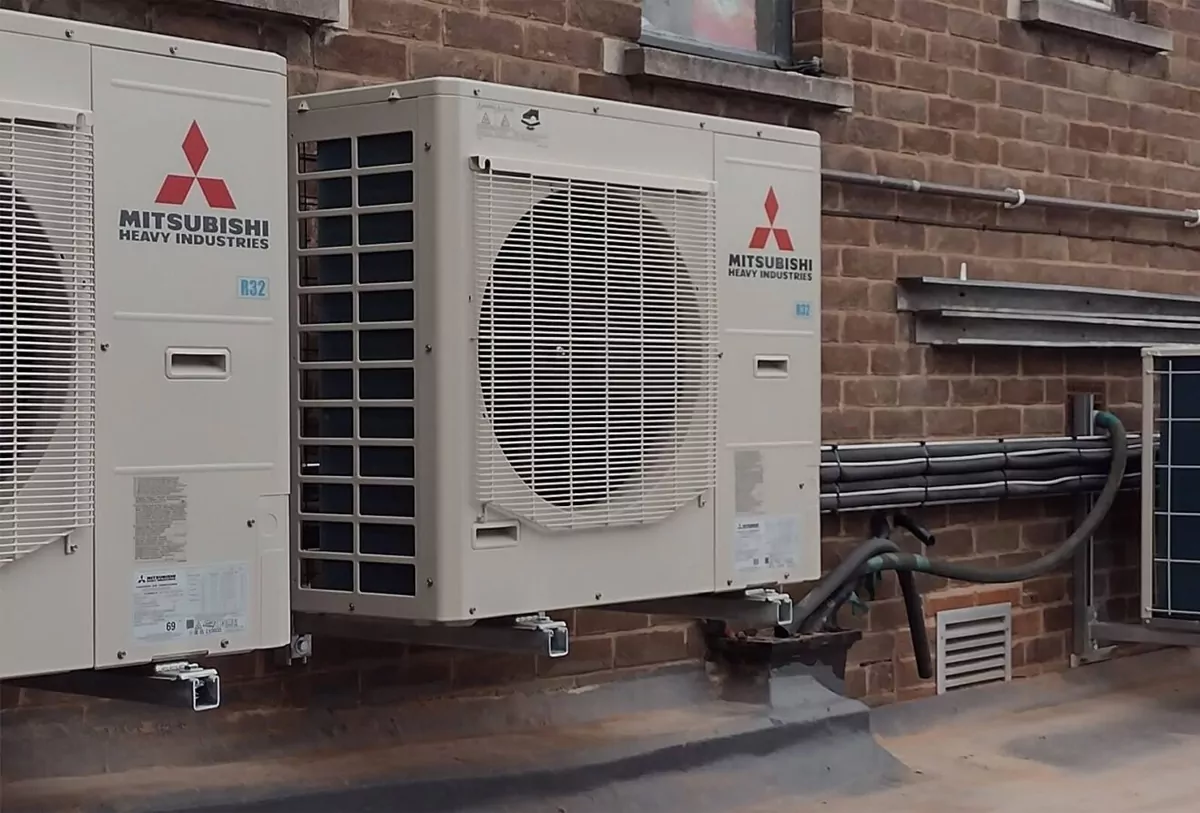
If you are considering VRF technology or already have a VRF air conditioning system, we can help you. Our air conditioning experts can offer a site surveys, installation, repairs and maintenance.
The terms VRF or VRV are used interchangeably, however, VRV (Variable Refrigerant Volume) is the system developed by Daikin, whilst VRF (Variable Refrigerant Flow) is the term used by other manufacturers.
Use our form below to get in touch for a Free Survey and Quote
Please leave this field empty.
VRF (Variable Refrigerant Flow) is an advanced air conditioning technology that uses refrigerant as the cooling and heating medium. The system circulates only the precise amount of refrigerant required at any one time, depending on the demand in each area. This allows individual control of multiple zones simultaneously – with the ability to heat some spaces while cooling others.
High Efficiency: VRF systems are designed for energy efficiency. The inverter-driven compressor continuously adjusts to the precise cooling or heating needs of the building, reducing energy usage and operational costs. These systems can also recover waste heat from one zone and redistribute it to another, boosting efficiency further.
Zoning and Individual Control: One of the major advantages of VRF systems is their zoning capability. Each indoor unit operates independently, allowing tailored temperature control in different areas of a building. If fitted with a heat exchanger, for example, a fitness centre can maintain a cooler temperature in the gym while keeping changing rooms and reception areas warm and comfortable.
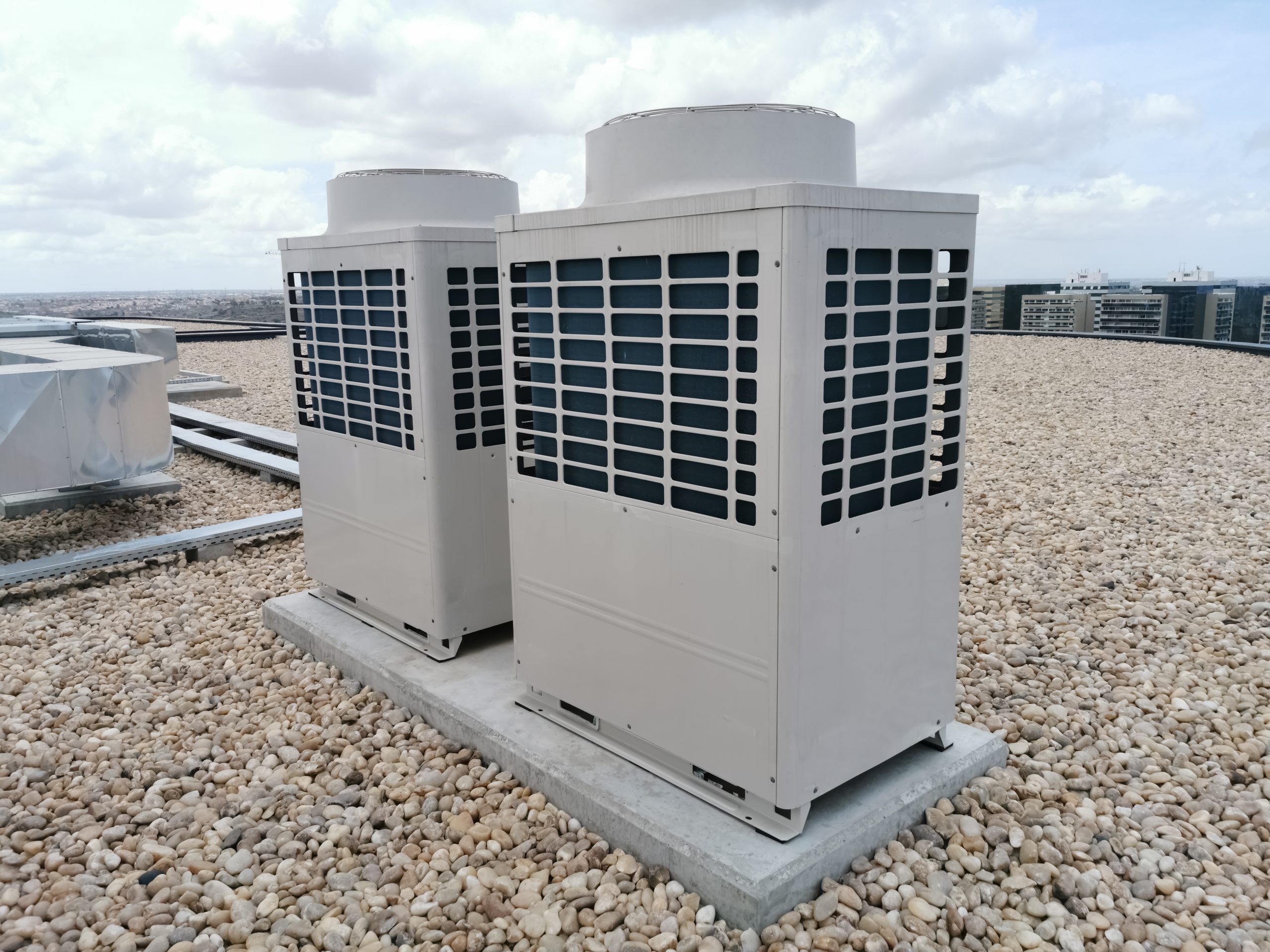
Flexible Installation: VRF systems are highly adaptable to a range of building layouts. A single outdoor unit can be linked to several indoor units, with flexibility in installation locations. Outdoor units are commonly placed on rooftops, while indoor units can be installed discreetly throughout the premises – including ceiling-mounted, wall-mounted or ducted options.
Improved Air Quality: Most VRF systems are compatible with advanced filtration options, such as electrostatic or HEPA filters. These improve indoor air quality by removing airborne contaminants like dust, allergens and pollutants – essential for environments where the health and comfort of occupants is a priority.
System Monitoring and Control: VRF technology supports intelligent control and monitoring. These systems can integrate with building management systems (BMS), enabling centralised scheduling, remote monitoring, and performance analysis. This gives facilities teams greater visibility over energy consumption and system health.
Are VRF Air Conditioning Systems Difficult or Costly to Maintain?
Routine maintenance is essential for ensuring optimal performance and longevity of VRF systems. Regular inspections can help identify issues early, maintain energy efficiency, and keep systems running reliably.
Although VRF systems are technologically advanced, maintenance is no more complex than that of traditional HVAC systems – provided it’s carried out by experienced engineers. At Yee Group, we recommend inspections at least twice a year to comply with regulations and maintain efficiency. Our team is trained specifically in VRF systems, ensuring thorough and compliant servicing.
If you are looking for a reliable engineers to install VRF air conditioning, consider some of the following guidelines:
Experience and Expertise: Look for contractors that have extensive experience installing VRF systems. The company should have a solid reputation and a team of skilled engineers that specialise in this type of system. Choosing VRF specialists is the best way to ensure a high-quality installation.
Manufacturer Training: Before choosing an air conditioning contractor, check if they are certified or authorised by the system manufacturer. Working with a certified company ensures the installation will be completed in line with the manufacturer’s guidelines and best practices. It also protects your manufacturer’s warranty.
References and Reviews: To get a good idea of the contractor’s track record and service level, you might want to request references from past clients. This will help you get an understanding of their experience. Checking online reviews and testimonials can also help.
Qualifications and Insurance: Always verify certificates with the relevant governing bodies. Contractors must hold F-Gas certification, the company should be REFCOM registered and they should be happy to show you proof of comprehensive insurance.
Comprehensive Services: Look for a company that offers a full range of services including maintenance, repair and ongoing support for the system. Having a single point of contact for all HVAC-related needs can make your life much easier.
Energy Efficiency Expertise: Energy efficiency is a crucial aspect of all air conditioning systems. Ask the contractors about their experience optimising energy efficiency and see whether they can offer recommendations on system design, equipment selection, and control strategies to maximise energy savings.
- VRF Air Conditioning System Solutions Installations and repairs for large commercial systems Bespoke design / installation 7 year warranty REFCOM F-Gas accredited Get a Free Survey
- Commercial Buildings: Offices, showrooms, and retail environments benefit from tailored comfort across different zones and floors.
- Hotels and Hospitality: Guest rooms, conference facilities, restaurants and communal areas can each have independent climate control, enhancing comfort and energy savings.
- Residential Homes: Especially in larger or multi-storey homes, VRF systems offer efficient climate control with minimal visual impact.
- Educational Institutions: Schools, colleges and universities can regulate temperatures in classrooms, halls, libraries and administration offices to suit varying occupancy and use.
- Healthcare Facilities: Hospitals, clinics and care homes require consistent and clean air across treatment rooms, waiting areas and staff zones – all supported by VRF technology’s zoning and filtration capabilities.