Preserved content from the existing Yee page.
Emergency lighting is a critical part of building safety, ensuring that staff, customers, and visitors can safely exit in the event of power failure, fire, or other emergencies. For businesses in the UK, understanding compliance requirements and maintaining these systems is essential, not just for legal reasons but also for safeguarding lives.
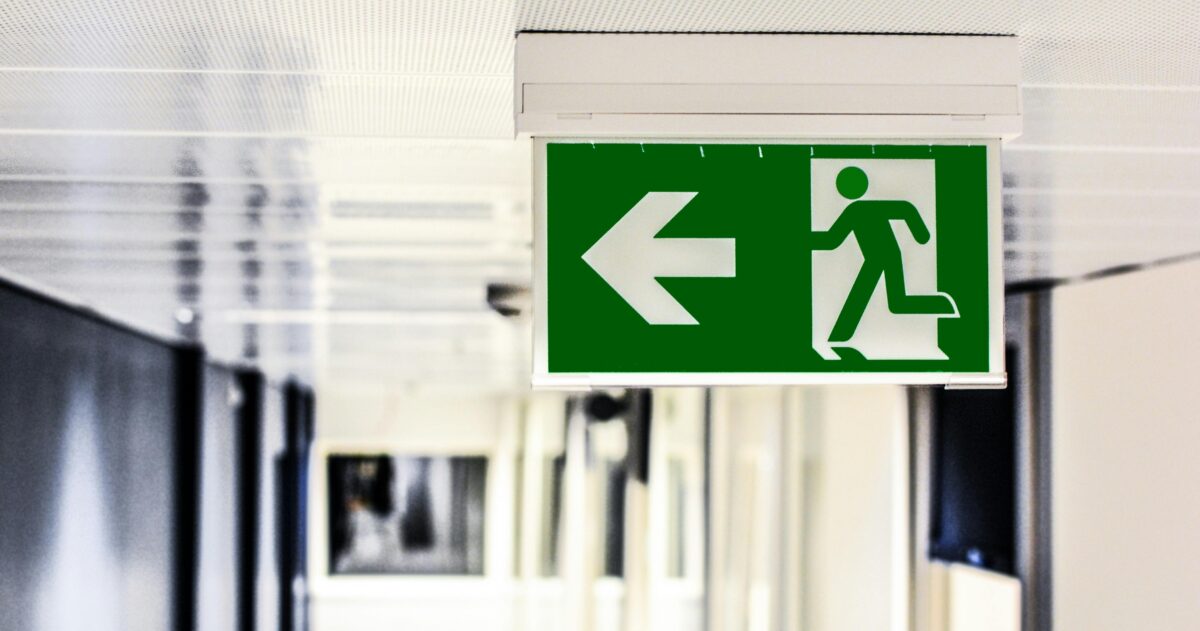
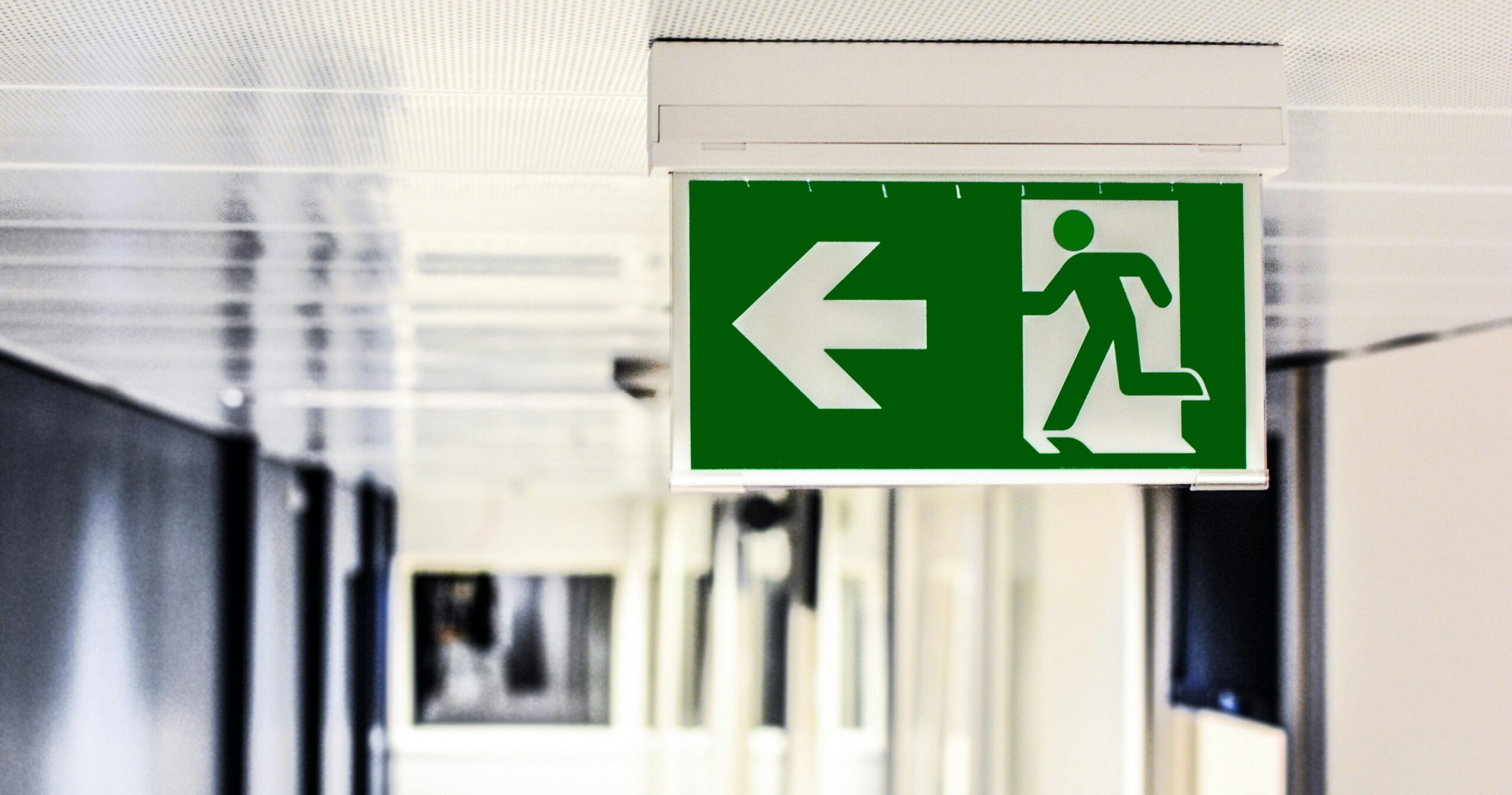
Many business owners ask, what is emergency lighting and what is the purpose of emergency lighting? Put simply, emergency lighting provides illumination when the main power supply fails. It ensures escape routes are visible and safe, allowing occupants to evacuate quickly and calmly.
So, why are emergency lights provided? They’re designed to guide people to safety during an emergency, especially in unfamiliar or crowded environments. In the event of fire, power loss, or smoke, these lights help prevent panic and reduce the risk of injury. This also explains why emergency lights are provided in a fire to make sure escape routes remain lit even when normal systems fail.
Beyond legal compliance, emergency lighting plays a vital role in a company’s wider fire safety and evacuation strategy. According to UK government guidance, businesses must have clear plans to help people escape quickly and safely in the event of power failure. This may or may not be required in a business premises however the document called the Fire Risk Assessment would advise if this was required. In order to meet this requirement in an FRA, an electrician like Yee Group would have to make the changes in order to link the Fire Alarm to the Emergency Lighting and to make it activate.
Emergency lighting ensures that escape routes remain visible even in smoke or darkness, reducing confusion and helping prevent accidents. For employers, this is not just about meeting regulations but also about protecting staff, customers, and visitors, reinforcing trust in the safety of the business environment.
There are different kinds of emergency lighting systems to suit various buildings and requirements. One of the most common questions is, what is maintained emergency lighting? Maintained systems remain illuminated at all times, even when mains power is on, making them suitable for high-occupancy areas like theatres or cinemas.
In contrast, non-maintained systems only activate when the power supply fails, ideal for workplaces where emergency lights are needed solely in emergencies.
Both systems may be powered by central batteries or self-contained luminaires, and the choice depends on building size, occupancy, and safety needs.
Do I need emergency lighting in my building? In most cases, yes. To answer directly: are emergency lights a legal requirement? For UK businesses, they are. Emergency lighting is required by law under the Regulatory Reform (Fire Safety) Order 2005 and must comply with British Standards.
Systems should be installed along escape routes, at every change in direction, near staircases, exits, and fire equipment points. Additional lighting may be required in larger spaces or where occupants are unfamiliar with the layout. Correct placement is vital to ensure safe evacuation in all scenarios.
One of the most common compliance questions is how often emergency lighting should be tested. UK law requires emergency lighting to be checked on a routine basis. In practice, this means:
Monthly checks – a quick test to confirm the lights activate when the mains power is cut.
Annual servicing – a full test, usually lasting three hours, to make sure the system runs for its rated duration and remains reliable.
If you’re wondering how to test emergency lighting or how do you test emergency lighting, the process usually involves simulating a power failure and confirming that every fitting comes on as expected. Results should always be recorded in a logbook so that there’s a clear history of compliance.
By combining regular in-house checks with professional servicing, you not only meet legal requirements but also ensure your system will work effectively when it’s needed most.
Modern emergency lighting systems consist of key components such as luminaires (light fittings), batteries, and control systems. Advances in technology mean LED emergency lighting is now common, offering improved reliability, energy efficiency, and longer battery life.
Central monitoring systems are also becoming more popular, allowing facilities managers to oversee and schedule testing more easily.
Businesses in the UK must ensure their emergency lighting systems comply with the Regulatory Reform (Fire Safety) Order 2005 and BS 5266-1:2016, which sets the standards for design, installation, and maintenance. These regulations make clear that emergency lighting is not optional, it is a legal requirement for most commercial premises.
Failure to comply could result in fines, legal consequences, or, most importantly, risk to lives in an emergency situation.
Emergency lighting is more than a tick-box exercise; it’s a vital life safety system. From understanding how emergency lighting works to knowing how often emergency lighting should be tested in the UK, compliance ensures your business meets legal obligations while keeping staff and visitors safe.
Investing in the right system, testing it regularly, and following British Standards means you can be confident your building is prepared should the unexpected occur.