Preserved content from the existing Yee page.
In any business, be it an office, warehouse or restaurant, maintaining optimal indoor conditions is paramount for ensuring employee productivity, customer satisfaction, and overall operational efficiency. Variable Refrigerant Flow (VRF) air conditioning systems, with their ability to provide precise temperature control and exceptional energy efficiency, have become increasingly popular in many kinds of buildings.
However, to fully realise the benefits of VRF technology, it is essential to implement a rigorous, proactive maintenance strategy. This article explores the importance of scheduled maintenance for VRF air conditioning systems, highlighting its role in ensuring efficiency, reliability, and legal compliance.
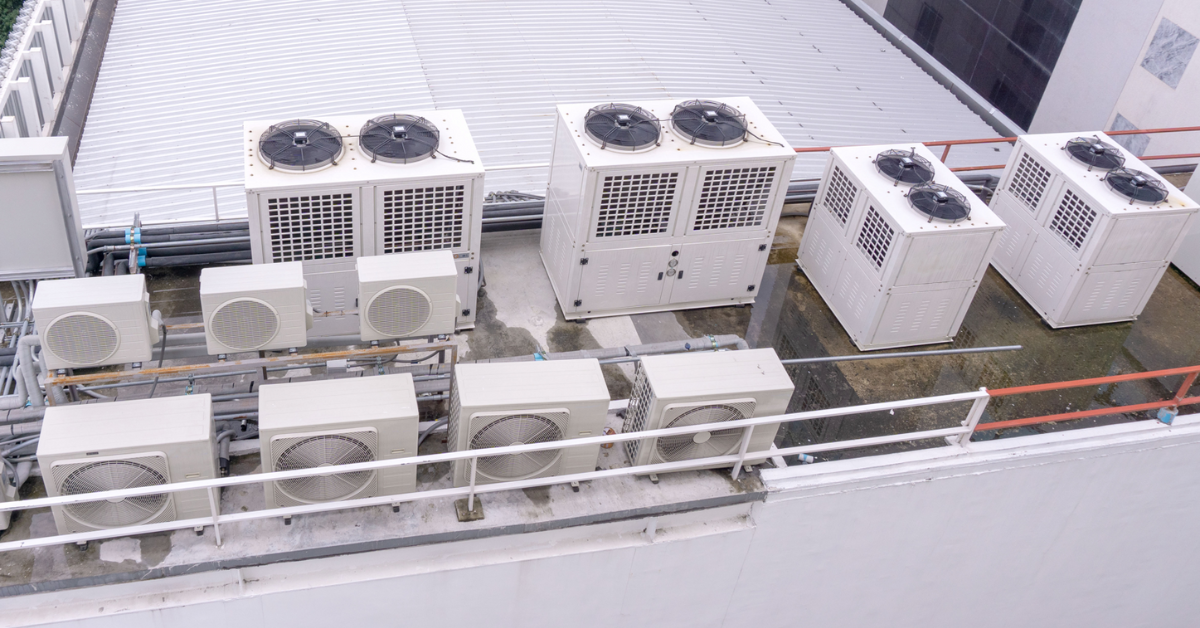
Variable Refrigerant Flow (VRF) air conditioning systems, also known as VRF systems, utilise advanced technology (such as a heat pump) to regulate the amount of refrigerant flowing to multiple indoor units. This system, comprising an outdoor unit and multiple indoor units, allows for simultaneous heating and cooling within different zones of a building. It also means the system is very efficient, as it can utilise heat removed from one area and can re-deploy it in a different area, reducing overall running costs.
The ability to provide precise temperature control and maintain a comfortable environment makes VRF systems ideal for diverse commercial applications.
Proactive maintenance is a pre-emptive approach designed to ensure that VRF air conditioning systems operate at their optimal performance. Unlike reactive repairs, which address issues after they occur, proactive maintenance involves scheduled inspections and testing when the system is functioning correctly.
Following a comprehensive VRF maintenance checklist, this strategy is critical for several reasons:
Regular maintenance is pivotal in maintaining the energy efficiency of VRF systems. Dust, debris, and other contaminants can accumulate within the system, particularly on the coils and filters, impeding airflow and reducing efficiency.
By conducting routine inspections, testing and cleaning, these contaminants are removed, ensuring the system operates efficiently. This will keep energy use efficient and keep overall operational costs of the HVAC system to a minimum.
The reliability of VRF air conditioning systems is essential for maintaining a comfortable environment in commercial settings. Unexpected breakdowns can disrupt operations, leading to discomfort for employees and clients.
Proactive maintenance allows for the early detection of potential issues, such as wear and tear on components like the inverter compressor, which can be addressed before they escalate into major problems. This approach ensures the system remains reliable, providing uninterrupted service.
VRF systems are a significant investment for any business. Regular maintenance helps extend the lifespan of this equipment by ensuring all components are functioning correctly.
By addressing minor issues early, the overall stress on the system is reduced, preventing major failures and prolonging the operational life of the VRF air conditioning systems.
Regular maintenance of HVAC systems, including VRF systems, is not just recommended but legally required. Compliance with these regulations is crucial to avoid fines and to ensure the safety and comfort of building occupants.
Proactive maintenance ensures that all legal requirements are met, providing peace of mind to business owners and facility managers.
To achieve the benefits of proactive maintenance, it is essential to focus on several key components:
Scheduled inspections are fundamental to proactive maintenance. These inspections should include checking the condition of the indoor and outdoor units, verifying refrigerant levels, and ensuring the heat recovery system is functioning correctly. Inspections also involve checking the electrical connections and the overall integrity of the system.
Filters play a crucial role in maintaining indoor air quality and system efficiency. Over time, filters can become clogged with dust and debris, reducing airflow and system performance. Regular cleaning and, when necessary, replacing filters are essential for maintaining optimal performance of the system and keeping your building’s air quality under tight control.
Ensuring the correct amount of refrigerant is flowing through the system is crucial. Too little or too much refrigerant can lead to inefficient operation and potential damage to the system.
VRF systems rely on a network of sensors and controls to manage temperature and airflow. These components must be regularly tested and calibrated to ensure accurate operation. Faulty sensors or controls can lead to inefficient operation and uneven temperature distribution.
The inverter compressor is a critical component of VRF systems, allowing for variable refrigerant flow and energy efficiency. Regular inspection and servicing of the inverter compressor are essential to prevent failures and ensure the system operates efficiently.
Beyond enhancing efficiency and reliability, proactive maintenance of VRF air conditioning systems offers additional benefits:
Clean filters and well-maintained components contribute to better indoor air quality. This is particularly important in environments such as hospitals, schools, and office buildings, where poor air quality is proven to affect health and productivity.
A well-maintained VRF system ensures a comfortable environment by providing precise temperature control. This is essential for creating a pleasant atmosphere for employees, customers, and clients, enhancing overall satisfaction and productivity.
The well-publicised benefits of a VRF system are only going to be achieved if it is operating efficiently. Like all air conditioning systems, a regular maintenance programme is key to achieving optimum performance.